
Biblical Shepherding: Recovering the First-Century Perspective Part 4 - A Call to Reformation
For Pastors and People

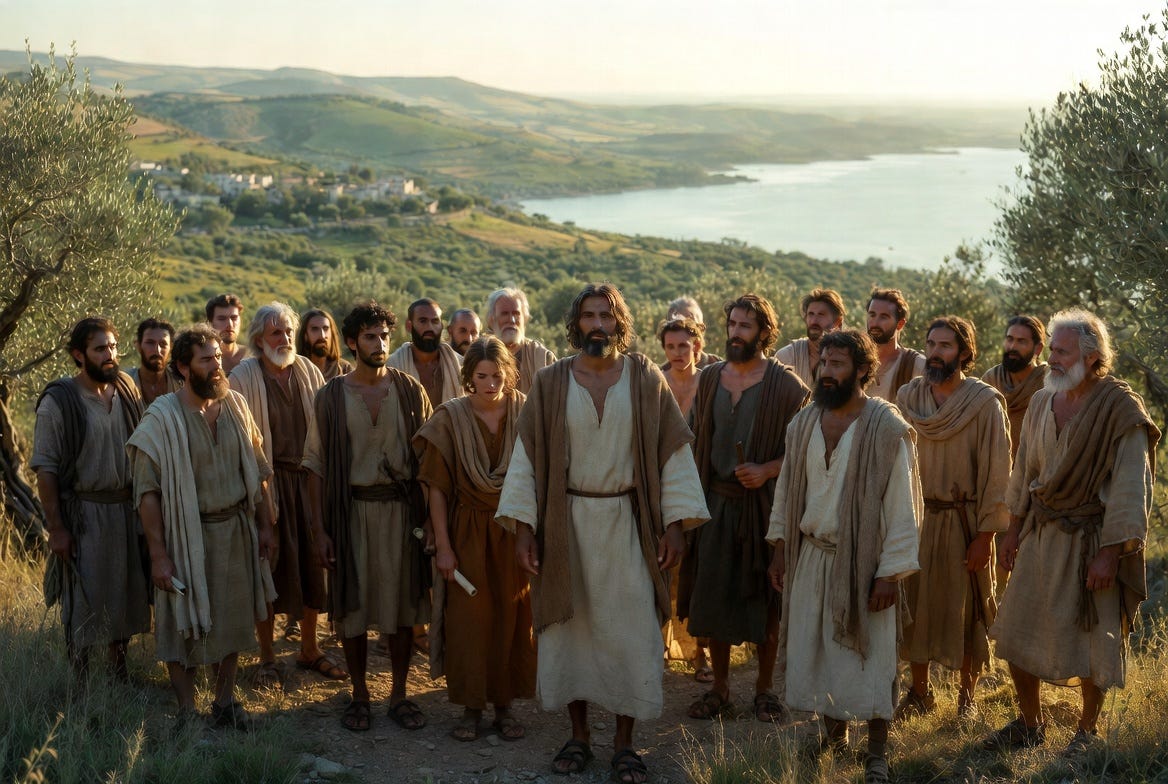
Building on Part 1’s exploration of the relational, compassionate biblical shepherd ideal (modeled by Moses, David, and fulfilled in Christ), Part 2’s clear boundaries on the metaphor (adult believers are image-bearers called to maturity, not perpetual dependents), and Part 3’s practical insights from low-stress, human-led shepherding (calm presence, leading from the front, gentle guidance that equips rather than controls), we now turn to Scripture’s hopeful response when the pattern drifts.
The shepherd metaphor in Scripture is beautiful when held within its first-century boundaries: a human shepherd walking intimately with his flock, guiding through voice and presence, protecting with gentle care, and leading toward provision and safety. It reveals God’s heart for His people and sets the standard for leadership that is relational, sacrificial, and equipping.
Yet the metaphor is not absolute. Adult believers are not literal sheep. They are image-bearers created for responsibility, growth, and maturity in Christ. When leadership stretches the image beyond its scriptural limits - centralizing ministry, subordinating voices, or maintaining perpetual oversight - it departs from the biblical pattern and risks the very scattering Ezekiel 34 warns against.
The Reformation Called For
Scripture does not leave us without direction. God promises to judge unfaithful shepherds who feed themselves while neglecting the flock (Ezekiel 34:2–10). He declares He will shepherd His people personally (Ezekiel 34:11–16) and appoint a faithful Shepherd (Ezekiel 34:23–24), fulfilled in Jesus, the Chief Shepherd (1 Peter 5:4).
For those today who lead: pastors, elders, teachers, the call is clear:
Return to the first-century perspective: shepherd as servant and example, not ruler or central figure.
Equip the saints for the work of ministry (Ephesians 4:11–12), not do it all yourself.
Step back humbly, allowing believers to mature, use their gifts, express their voice, and even surpass you in impact. Rejoice in the power of your teaching and your ability to foster God’s work in others.
Serve willingly, not lording over those entrusted to you, but being examples to the flock (1 Peter 5:2–3).
Fix your eyes on Christ as the perfect standard of calm, sacrificial leadership. Abide in Him so His steady presence shapes you, rather than striving in your own strength.
Equip toward multiplication: just as healthy parents raise children who become mature adults who then nurture others, prepare believers as a royal priesthood who carry the Shepherd’s heart into every sphere of life, so that the increase of His government and peace has no end (Isaiah 9:7; 1 Peter 2:9; 2 Timothy 2:2).
This is not a diminishment of leadership; it is its fulfillment. A real pastor equips so the flock thrives under the Chief Shepherd, not remains dependent on one voice.
For Congregants and the Body
Lay believers also have a vital role in this reformation:
Discern leadership biblically: Does it equip toward maturity and responsibility, or keep you in dependency?
Participate actively: Use your gifts, contribute your voice, and grow in maturity as co-laborers in Christ.
Seek healthy environments where equipping happens and growth into the fullness of Christ is celebrated.
If patterns of control or over-oversight persist, prayerfully consider whether it aligns with Scripture’s call to mature manhood/womanhood in Christ (Ephesians 4:13).
Final Reflection
The biblical shepherd is not a figure of domination but of tender, relational care. In the New Covenant, that care equips adult believers to maturity, independence, and fruitful service…not perpetual childhood. May churches recover this first-century perspective: leaders who guide gently, equip diligently, and rejoice in the growth of the flock under Christ.
This concludes the free four-part series. Thank you for journeying through it. The Explorers Edition companions provide deeper tools for study and application.
If this series has stirred questions or prompted reflection, share your thoughts in the comments. The Chief Shepherd leads us all toward fullness in Him.
Blessing on the ancient paths,
William
Follow this Link for Extra context & deeper dives: