
Forgotten Voices: Discovering the Minor Prophets - Week 1
Obadiah – The Danger of Pride and the Justice of God

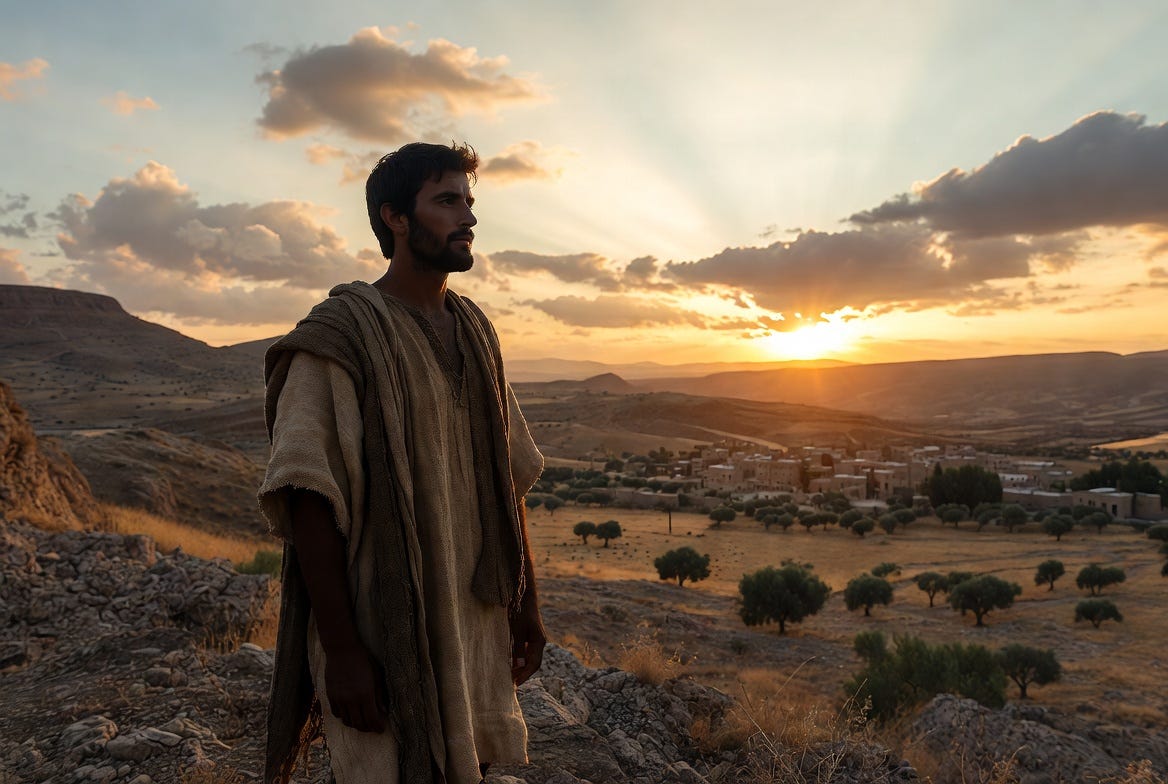
The Minor Prophets, those twelve short books tucked at the end of the Old Testament, often feel like hidden gems. Together they form one unified scroll in the ancient Scriptures, a chorus of voices crying out against idolatry, injustice, and pride while pointing toward God’s ultimate restoration. In this new series, Forgotten Voices, we turn to seven of these lesser-preached books to uncover their urgent messages for today.
At the heart of the Minor Prophets runs a powerful unifying thread: the Day of the Lord. This is the moment when God confronts human pride and oppression, brings justice, and establishes His kingdom in fullness. The series begins with the shortest book in the entire Old Testament, Obadiah, which delivers its message with striking poetic intensity.
Obadiah: A Concise Oracle of Justice
Obadiah likely spoke after the fall of Jerusalem in 586 BC. Edom, Judah’s neighbor to the southeast and descendant of Esau, had betrayed their “brother” nation. Instead of offering aid during Babylon’s invasion, the Edomites gloated, looted, and handed over fleeing Judeans. God’s response through Obadiah is direct and unflinching.
The book unfolds as a poetic oracle: rhythmic, parallel lines that hammer home the message with memorable force:
“As you have done, it will be done to you; your deeds will return upon your own head.” (Obadiah 15)
Pride led Edom to feel secure in its mountain strongholds (“Though you soar like the eagle and make your nest among the stars, from there I will bring you down,” v. 4). Yet the very violence and betrayal they committed would return upon them. The book moves from specific judgment on Edom to a broader vision: the Day of the Lord against all nations, culminating in hope “the kingdom shall be the Lord’s” (v. 21).
Read aloud, Obadiah’s brevity and intensity give it an almost song-like quality, even if it is not formally structured as a psalm like Habakkuk 3. Its poetic parallelism and vivid imagery place it firmly in the tradition of Hebrew prophetic poetry.
Scriptural Connections
Obadiah does not stand alone. Its language closely parallels Jeremiah 49:7–22, suggesting a shared prophetic tradition concerning Edom. Amos earlier condemned Edom for “pursuing his brother with the sword” and casting off all pity (Amos 1:11). These connections highlight the consistent biblical witness: God notices betrayal, especially when it targets His people.
The themes also echo certain Psalms that cry out for justice against arrogant enemies and celebrate the Lord’s sovereign rule. Obadiah’s closing declaration of the kingdom carries a triumphant, worshipful tone that resonates with the Psalter’s praise of God’s kingship.
The Prophetic View: The Day of the Lord
Obadiah presents both a near-term fulfillment, Edom’s eventual downfall, and a far horizon. The Day of the Lord brings low every proud power. No mountain fortress or human alliance can withstand divine justice. Yet the book does not end in despair. Judgment clears the way for restoration. Mount Zion will be holy, and the kingdom belongs to the Lord.
This forward gaze is characteristic of the Minor Prophets. Obadiah sets the stage for the series: pride and injustice meet their end, while God’s people find comfort in His faithful rule.
Christ and the Kingdom
In the light of the New Testament, Obadiah’s message finds its ultimate fulfillment in Jesus Christ. Edom stands as a type of “all arrogant opposition” to God’s people and God’s purposes. The kingdom that Obadiah declares belongs to the Lord, is the very kingdom Jesus proclaimed and established through His death and resurrection.
As Revelation 11:15 declares, “The kingdom of the world has become the kingdom of our Lord and of his Christ, and he shall reign forever and ever.” In Christ, the final Day of the Lord brings perfect justice and complete restoration. Every betrayal is answered, every proud power is humbled, and God’s redeemed people dwell securely in His presence.
Application for Today
Obadiah calls us to examine our own hearts. Where do pride, gloating over others’ misfortune, or subtle betrayal linger? In a world quick to mock the fallen and slow to show mercy, this short oracle cuts through self-deception.
The book comforts the oppressed with a clear prophetic view: God sees every injustice and will set all things right. No hidden betrayal escapes His notice. At the same time, it warns the complacent: no position of security whether mountain stronghold, wealth, or status can shield us from accountability.
Two realities stand certain at the return of Christ: perfect justice for every wrong, and the triumphant arrival of the kingdom that belongs to the Lord. This dual hope calls believers to humility, vigilance, and trust in God’s timing rather than retaliation or despair.
In the face of pride, betrayal, and injustice, we can stand with quiet confidence in the Lord. God’s Word is sure, His justice perfect, and His kingdom unshakable. The same God who spoke through Obadiah reigns today and will bring every promise to completion in Christ.
This Week’s Challenge: Read the entire book of Obadiah it takes only about ten minutes. Let its concise power sink in.
The ancient paths call. Feel their steadiness and hope.
William