
The Prophetic Effect: When God Raises a Visible Company of Prophets
A Study in First-Century Patterns and Ancient Paths

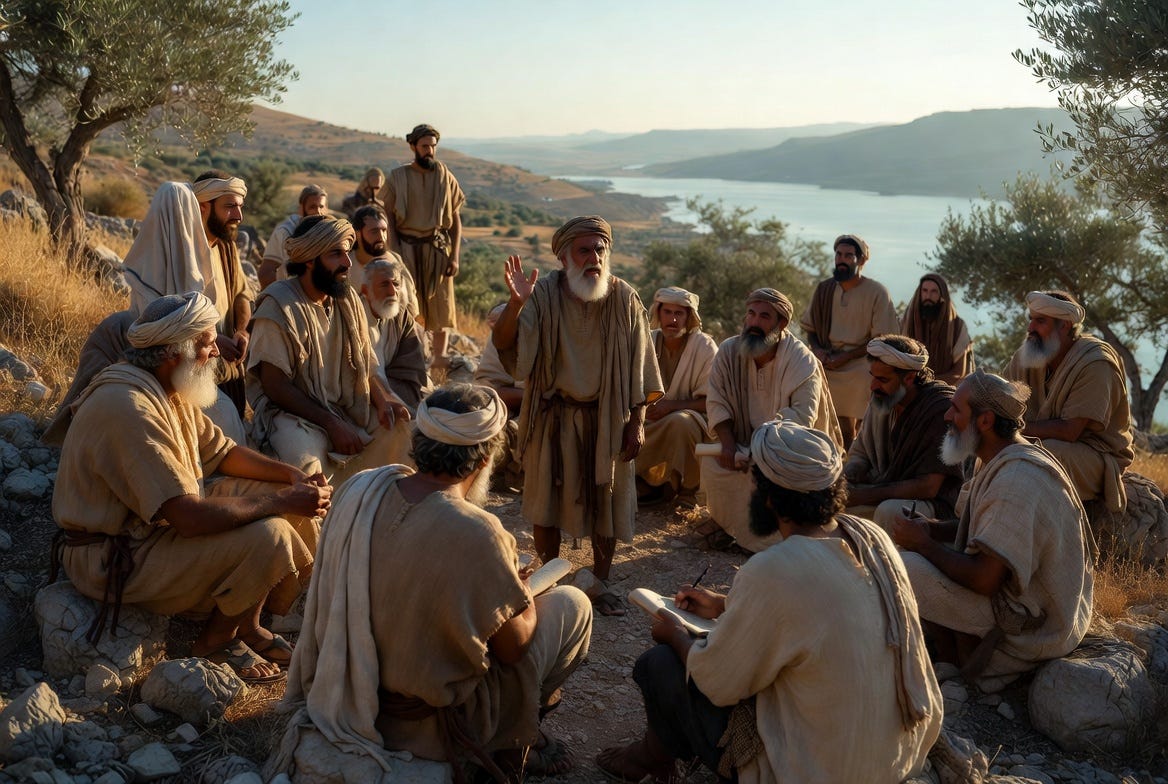
In Scripture, organized companies of prophets, visible gatherings centered around a leading prophetic voice, emerge at specific seasons in the life of God’s covenant people. Far from heralding unchecked revival, these communities consistently appear amid deepening drift from the Lord’s ways. They stand as a final, public witness and merciful call to repentance before significant national upheaval.
Three Clear Instances from Scripture
Samuel’s Company at Naioth in Ramah (1 Samuel 19) During a time of national division and rejection of God’s kingship, a prophetic community gathered at Naioth (“dwellings”) in Ramah under Samuel’s leadership. When Saul sent messengers and eventually came himself, to seize David, the Spirit of the Lord came upon them. They prophesied instead of carrying out their mission. The event passed into proverb: “Is Saul also among the prophets?”
This visible company did not restore the nation. Within roughly a generation, the kingdom divided. It served as witness amid the gathering shadows.
The Sons of the Prophets in the Days of Elijah and Elisha (1–2 Kings) In the northern kingdom, amid widespread Baal worship and the slaughter of God’s prophets, companies known as the “sons of the prophets” gathered in places such as Gilgal, Bethel, Jericho, and Carmel. These visible gatherings accompanied drought, confrontation on Mount Carmel, and the revolution under Jehu. The pattern of mercy extended through prophetic voices unfolded within about two decades.
John the Baptist and His Disciples in the Wilderness (Matthew 3; John 1) Clothed in camel’s hair and preaching repentance at the Jordan, John gathered disciples who baptized, fasted, and prepared the way. His message carried urgency: the axe already laid to the root, the winnowing fork in hand. Within one generation, Jerusalem and its temple lay in ruins (AD 70). Once more, a visible prophetic company stood as the final call amid rejection of the Messiah.
The Consistent Pattern The Hebrew expression “sons of the prophets” appears in narrow clusters tied to seasons of covenant unfaithfulness. These gatherings do not mark the beginning of widespread turning back to the Lord. Instead, they function as public testimony that mercy has been extended one more time before the path narrows.
This aligns with Deuteronomy 18:15–22 (the test of the prophet), Amos 3:7 (God revealing His counsel), and the final gathering attempts described by the Chief Shepherd in Matthew 23:37–39.
Theological Reflections When God’s people drift into idolatry, corrupt leadership, or proud rejection of His ways, the Lord does not immediately unleash judgment. First He raises clear prophetic voices, visible and locatable, as a merciful spotlight calling the nation back.
These companies ultimately point forward to the Chief Shepherd, Jesus the Messiah, the fulfillment of all true prophecy. Even in seasons of upheaval, God
preserves a remnant and equips the faithful to walk in obedience. The pattern
is not one of despair, but of urgent invitation to return to the ancient paths.
Conclusion The visible rise of prophetic companies in Scripture has never signaled the dawn of unchecked revival. It has marked a season of final mercy and a clear call to repentance. As the prophet Isaiah declared:
“Seek the LORD while He may be found; call upon Him while He is near. Let the wicked forsake his way, and the unrighteous man his thoughts; let him return to the LORD, that He may have compassion, and to our God, for He will abundantly
pardon.” (Isaiah 55:6–7)
May we, like the faithful in first-century Galilee who heard the Good News, walk humbly in these ancient paths. The Chief Shepherd still leads His flock.
See you on the ancient paths.
Blessings,
William
Follow this Link for Extra context & deeper dives: